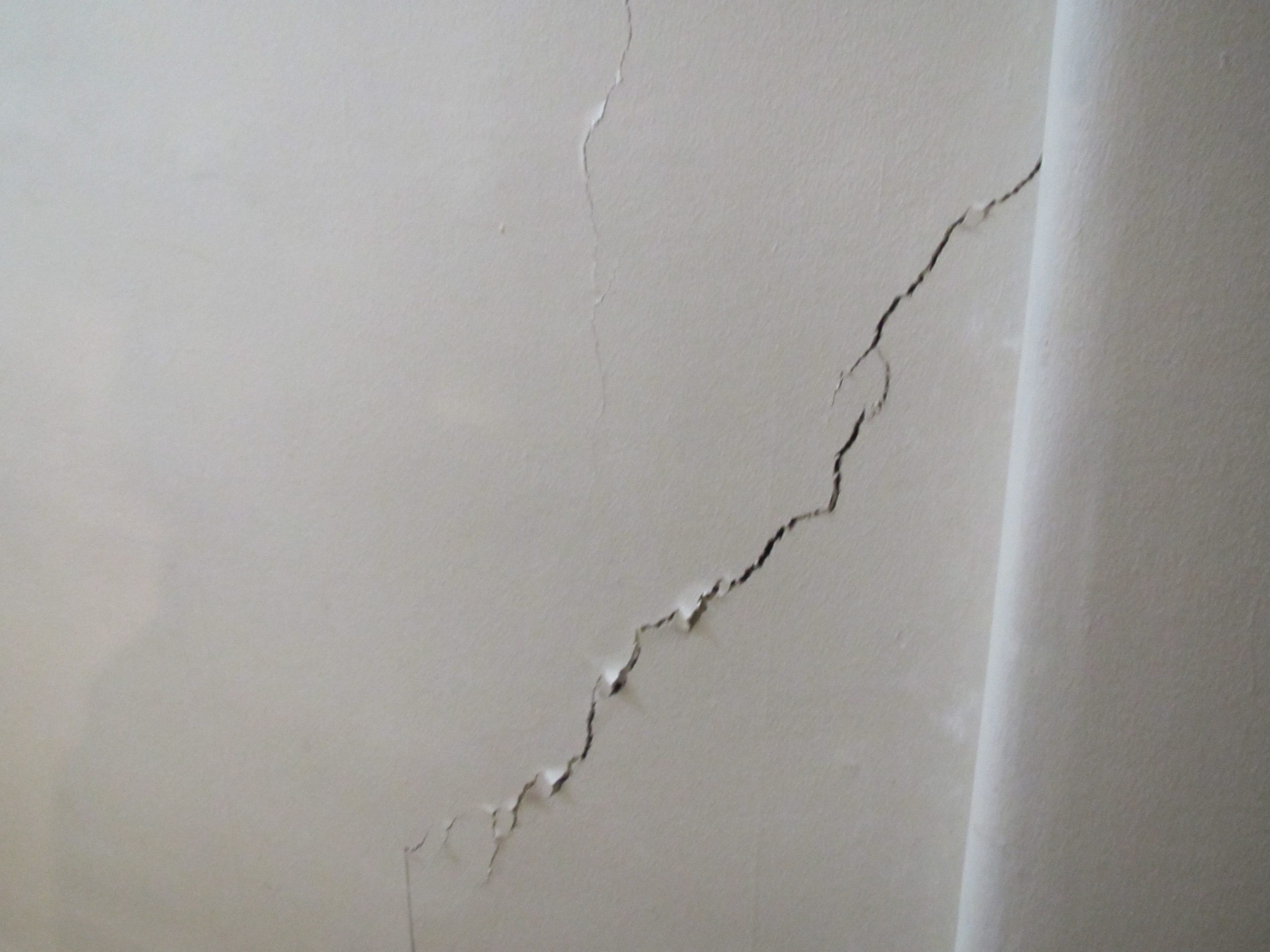
Cracks in walls – is it time to panic or patch up with plaster – as featured in Ideal Home magazine.
Cracks in walls in most instances are likely to be harmless but if you have concerns few things you can do in the first instance before you get a professional involved:
- Monitor the crack – the easiest way to do this when you don’t have specialist equipment is mark a number of points on the crack with a line through the crack in pencil (perpendicular to the crack) – date each mark and ensure you also mark the end of the crack in same way. Take photos of these marks. You can then check back in 4 weeks to see if the pencil line from one side of the crack has shifted to the other side and if that has happened you can consider the potential causes with a specialist structural engineer.
- Remember buildings do move through the seasons and different elements will shift at different rates – so you would expect to see some movement, but big shifts can be as a result of some other issues.
- If the crack is visible on both sides of the wall – especially if it is a external wall – this may involve something structural. To rectify this, could involve underpinning the existing foundations or putting in new structural support if the wall has been over loaded.
- If a gap in a crack starts to get significantly bigger this could be a bigger issue – in that instance your pencil line is likely to show the shift and so you can record that distance as it changes. The bigger the gap the likely there is something that needs to be resolved. This could be as simple as some blown plaster which has come loose from the wall behind or something more critical such as collapsed drains or tree roots both of which can cause subsidence.
- In our experience when it comes to subsidence – it is important to get an independent specialist building surveyor’s report for the assessment – you should also check the specific requirements under your insurance around subsidence. Having subsidence or record of this on your property could impact your insurance and mortgage for excessive periods of time and even the ability to sell the property so it is important that if you think there is a risk of subsidence to have the independent report undertaken to verify this. When we have advised homeowners that thought they had subsidence (as a result of the insurance team advising it was subsidence) to do this in a few instances it was proved it was not, avoiding the need for costly increases in premiums so well worth the investment of the building surveyor’s report.
If you have concerns about cracks in your home or property, get in touch.